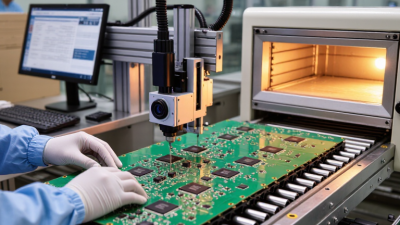
Choosing the best China SMT assembly partner requires more than comparing quoted prices. Global buyers need evidence, process control, and dependable communication. An attractive offer can still hide weak traceability, unstable yields, or costly rework.
Happy Holden, a longtime PCB manufacturing authority, has said, “Quality is built into the process, not inspected into the product.” This principle fits modern smt assembly closely. A capable supplier should document solder-paste controls, stencil management, component verification, and automated optical inspection. Buyers should also review feeder calibration, moisture-sensitive device handling, and first-article inspection records. A factory floor tells a useful story. Look for labeled reels, controlled storage cabinets, clean workstations, and operators following visible procedures.
Certifications matter, but certificates alone do not guarantee consistent results. Ask for recent yield data, defect classifications, corrective-action reports, and sample production records. Confirm whether the supplier supports DFM feedback before fabrication. Check communication speed, engineering ownership, packaging methods, and shipping documentation. Small details matter.
A missing component can stop a complete build.
Experience also deserves careful testing. Request references from projects with similar board density, package types, and production volume. A supplier experienced with consumer boards may struggle with fine-pitch industrial assemblies. That difference can become expensive quickly. China offers strong manufacturing capacity, skilled engineering teams, and competitive logistics. Yet buyers should avoid treating every factory as interchangeable. The best smt assembly relationship combines transparent evidence, technical judgment, and honest discussion of limitations. Even a carefully planned supplier review can miss something. That is why staged qualification remains sensible.
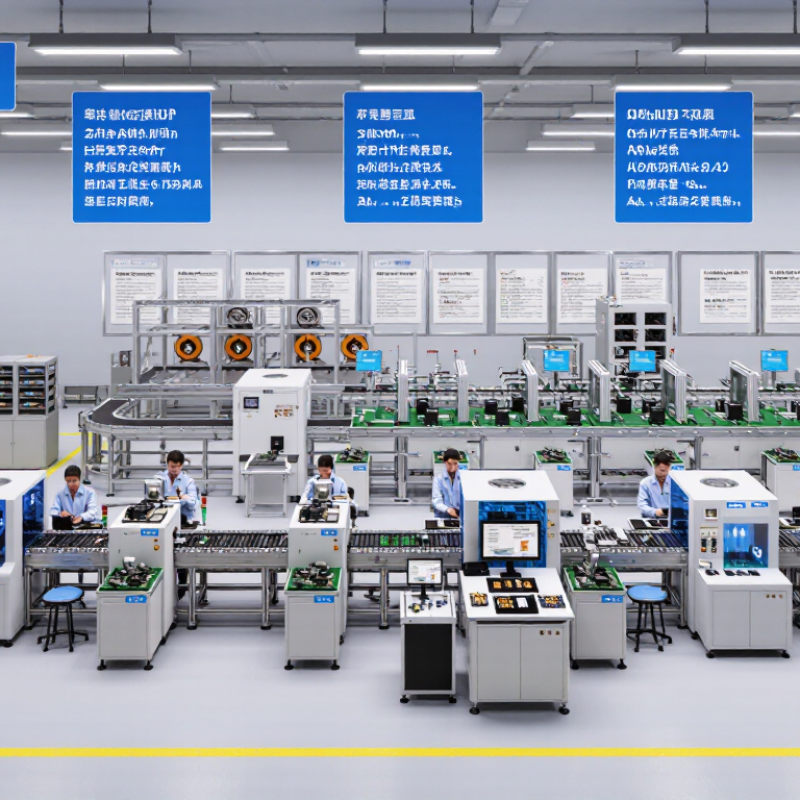
China SMT assembly services can support global buyers when process control is visible and measurable. A typical line begins with solder paste printing, followed by solder paste inspection. Pick-and-place machines then position components at programmed coordinates. Reflow ovens must control temperature across several heating zones. Automated optical inspection checks solder joints and polarity. X-ray inspection may be necessary for hidden joints or dense packages.
PCB selection changes the assembly method. Rigid FR-4 boards suit many controllers and industrial products. Flexible and rigid-flex boards require careful handling because bending can damage copper traces or solder joints. Aluminum-backed boards help transfer heat in lighting and power applications. During production, engineers should review stack-up, surface finish, panel design, and fiducial placement before ordering tooling. Small omissions become expensive later.
The metric 0201 component measures approximately 0.25 by 0.125 millimeters. It demands stable paste volume, accurate placement, clean feeders, and controlled reflow profiles. A capable factory should provide microscope checks, placement data, defect records, and lot traceability. I have seen designs pass placement but fail during repair because test pads were too small. That mistake is easy to miss. No line is flawless. Pilot runs, solder-joint sampling, and clear acceptance criteria make the risk more manageable for overseas buyers. Parallel inspection can slow output, but skipping it usually costs more.
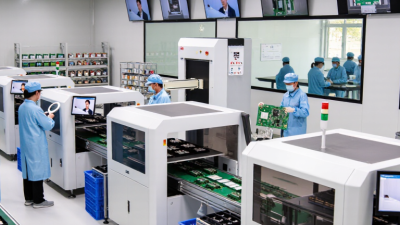
For global buyers, SMT assembly quality starts with disciplined interpretation of IPC-A-610 and J-STD-001. IPC-A-610 defines visible acceptability criteria, including solder fillets, component placement, and board cleanliness. J-STD-001 controls soldering materials, processes, and operator workmanship. A reliable supplier should show inspection records, soldering profiles, calibration certificates, and operator training evidence. Pictures are not enough.
ISO 9001 adds process control beyond the production line. The ISO Survey 2022 reported more than 1.2 million ISO 9001 certificates worldwide, showing its broad adoption across manufacturing. However, certification does not guarantee perfect boards. Auditors should check corrective-action records, traceability, supplier evaluation, and how problems are prevented from repeating. This is where many evaluations become uncomfortable.
RoHS compliance requires control of ten restricted substances, according to the European Commission’s RoHS framework. Buyers should request material declarations, homogeneous-material test results, and evidence linking samples to production lots. A compliant-looking component can still create risk when documentation is outdated. Some suppliers may also confuse lead-free soldering with complete RoHS compliance. They are not identical. A practical audit should compare the bill of materials, incoming inspection records, X-ray results, and final shipment documents. Mistakes still happen, so transparent reporting matters more than polished claims.
Best China SMT Assembly Services for Global Buyers?
Production Metrics: Placement Accuracy, 0.1 mm Pitch, and AOI Coverage
When evaluating China SMT assembly services, global buyers should request measured production data, not broad capability claims. Placement accuracy should include the component range, board size, and stated tolerance. For fine-pitch parts, a supplier may report ±0.03 mm under controlled conditions. That number needs verification on your actual design. A 0.1 mm pitch demands stable feeders, accurate fiducials, and careful stencil alignment. Small shifts can create bridges or weak solder joints. Ask for sample inspection records.
AOI coverage should identify which solder joints are inspected and which remain outside the camera’s view. Coverage of 100% of accessible joints sounds strong, but hidden connections under certain packages may require another inspection method. Review defect libraries, false-call rates, and repair records. In my experience, clear traceability often matters more than impressive equipment lists. One overlooked detail can delay shipment.
Tips: Request a pilot run before volume production. Compare placement data with AOI images. Confirm how operators handle recurring defects. Ask whether inspection limits match your drawings. Do not rely on one metric. A supplier may achieve excellent placement accuracy while struggling with solder paste variation. I would also question unusually perfect reports; real production usually contains small deviations that require review.
Choosing a China SMT assembly partner requires more than comparing board-level prices. MOQ can reveal how flexible a supplier really is. Ask whether it applies per part number, production run, or monthly forecast. A low MOQ may still hide setup charges, feeder limits, or leftover material fees. Request a written quotation with these details.
Lead time should separate engineering review, material purchasing, assembly, inspection, and shipping. A supplier promising five days may exclude component shortages. Ask for a sample production schedule. It should show approval dates, line loading, and inspection points. Small details matter.
DFM review is a practical test of technical ability. The engineer should check pad spacing, solder-mask openings, panelization, component clearance, and thermal risks. Request marked-up files, not vague approval emails. Traceability data should connect each board to material lots, machine settings, inspection results, and operator records. QR labels and searchable reports are useful, but only when records remain readable for years.
My own evaluation mistake was trusting a polished capability presentation. The factory later struggled with a tight connector area. That lesson still matters. Run a small pilot order before approving volume. Review defects honestly, including rework and late material changes. A reliable supplier should explain problems clearly, even when the explanation is uncomfortable.
Best China SMT Assembly Services for Global Buyers?
Global Buyer Costs: NRE Fees, BOM Pricing, Yield Rates, and Logistics Terms
China SMT assembly costs depend on more than the quoted board price. Non-recurring engineering fees may cover stencil design, programming, tooling, and test fixtures. Ask for each charge separately. A low NRE quote can hide limited engineering support. BOM pricing also changes with shortages, packaging, and approved substitutions. Request date-stamped component quotes and clear alternates. This protects your budget.
Yield rates deserve careful review. A factory reporting 98% yield may define defects differently from your quality team. Request first-pass yield, rework rates, and inspection records from pilot runs. Small details matter. For example, a 2% defect rate can affect thousands of boards. I have found that buyers sometimes focus too heavily on unit price. That choice can increase rework, delays, and warranty risk.
Tips: Compare landed cost, not assembly cost alone. Confirm Incoterms, carton dimensions, insurance, customs documents, and delivery responsibility. Air freight may suit urgent prototypes, while sea freight can reduce production costs. Add a realistic buffer for holidays, inspections, and port congestion. Also, define payment milestones and acceptance criteria before production. These terms prevent difficult disputes later. One weakness remains common: forecasts are often too optimistic. Recheck demand and cash flow before approving a large build.
| Buyer Requirement | Typical Production Profile | NRE / Setup Cost | BOM Pricing Benchmark | Typical First-Pass Yield | Lead-Time Range | Common Logistics and Commercial Terms |
|---|---|---|---|---|---|---|
| Prototype / Engineering Build | 1–10 assemblies; 2–6 layers; fewer than 300 components per board; frequent design changes. | USD 80–300 for tooling, stencil, programming, and line setup. Additional engineering charges may apply for complex builds. | Usually quoted at distributor or spot-market cost. Small-quantity purchasing can add approximately 5%–25% to the component subtotal. | Approximately 92%–98% at initial build, depending on design-for-manufacturing quality and component packaging. | 5–12 working days after all materials, files, and approvals are available. | Typically 50%–100% advance payment. Courier or air freight is commonly quoted under FCA, CPT, or DAP terms. |
| Low-Volume Pilot Run | 11–100 assemblies; mixed through-hole and SMT content; engineering validation or market testing. | USD 100–400, often amortized across the order. A new stencil is normally required when the PCB design changes. | Approximately 3%–15% above the verified component purchase cost, depending on sourcing difficulty and quantity. | Approximately 95%–99% first-pass yield for a mature design with complete assembly documentation. | 8–18 working days, including material procurement and production scheduling. | Commonly 30%–50% deposit with the balance before shipment. Air freight or express delivery is generally used. |
| Medium-Volume Production | 101–1,000 assemblies; stable BOM; repeatable SMT process; optional functional testing. | USD 150–600 for setup, test programming, fixtures, and process preparation. Test fixtures may cost extra. | Approximately 1%–8% above verified component cost when purchases are consolidated and the BOM is stable. | Approximately 98%–99.5% first-pass yield for a qualified production process. | 15–30 working days, subject mainly to long-lead components and PCB fabrication. | Payment may be 30% deposit and 70% before shipment or under an approved credit arrangement. Air, rail, or sea freight may be selected. |
| High-Volume Production | More than 1,000 assemblies; standardized BOM; automated inspection and documented process controls. | USD 250–1,000 for production setup and programming. Dedicated fixtures or test equipment can increase the total. | Often within 0%–5% of verified bulk component cost, subject to forecast accuracy, price breaks, and minimum order quantities. | Approximately 99%–99.8% first-pass yield after process qualification and line optimization. | 20–45 working days for recurring production; replenishment lead time can be shorter when materials are stocked. | Contract buyers may use net-30 or net-60 terms after credit approval. Sea freight is usually the lowest-cost option for larger shipments. |
| Fine-Pitch / High-Density PCB | 0.4 mm or finer-pitch components, micro-BGA, high layer count, dense routing, or controlled impedance. | USD 200–800 for additional stencil requirements, programming, inspection setup, and process validation. | Usually 2%–10% above standard sourcing cost because of tighter component controls, moisture handling, and traceability requirements. | Approximately 96%–99.5%, depending on pad design, solder-paste control, component coplanarity, and inspection coverage. | 15–35 working days, including engineering review and possible sample approval. | Export packaging should include moisture and electrostatic-discharge protection. Air freight under DAP or CIP is frequently selected for high-value boards. |
| Box-Build / System Integration | PCB assembly combined with wiring, enclosure, firmware loading, labeling, final testing, and product-level packing. | USD 300–2,000 for fixtures, work instructions, test development, and line qualification. Custom tooling is quoted separately. | Material handling or procurement fees are commonly 2%–8% of purchased materials, excluding the assembly labor charge. | Approximately 97%–99.5% at final functional test after the assembly process has been validated. | 20–50 working days, depending on enclosure, cable, display, battery, and certification-related materials. | Final shipment may use DAP, DDP, or FCA. Import duties and taxes should be clearly allocated in the purchase contract. |
| Component Shortage / Buyer-Supplied BOM | Buyer supplies selected components, allocated parts, or customer-owned inventory while the assembler purchases the balance. | Setup fees are generally unchanged; incoming inspection, counting, storage, and handling may add USD 20–150 per lot. | Buyer-supplied parts avoid the sourcing margin but create additional responsibility for shortages, incorrect parts, and excess inventory. | Yield depends on the quality and storage condition of supplied materials; a complete and correctly managed BOM is essential. | Production starts only after all critical materials pass incoming inspection; missing parts can extend the schedule without a fixed date. | Use a documented consignment or customer-owned-inventory agreement. Define ownership, loss tolerance, storage limits, and customs paperwork. |
| Inspection and Test Package | AOI, X-ray inspection, in-circuit test, flying-probe test, boundary scan, or functional test according to product risk. | AOI is often included in the assembly price; test fixtures and software development commonly range from USD 300–3,000. | Inspection and test charges may be quoted separately or amortized by unit, especially for low-volume orders. | Reported yield should specify whether it means solder-paste inspection, assembly first-pass yield, or final functional-test yield. | Add approximately 2–10 working days for fixture design, test-program preparation, and approval. | Require a test report, defect classification, repair authorization process, and agreed acceptance standard before mass production. |
| International Freight Comparison | Finished PCBA shipment from China to North America, Europe, or other overseas destinations. | Export documentation and handling may be charged as a fixed fee or included in the freight quotation. | Freight is normally excluded from the BOM and assembly unit price unless the quotation explicitly states a landed-cost basis. | Not applicable; freight damage and moisture exposure should be tracked separately from manufacturing yield. | Express: 3–7 days; air freight: 5–12 days; rail where available: 15–25 days; sea freight: 25–50 days door-to-door. | FCA generally gives the buyer more control; DAP simplifies delivery; DDP requires clear responsibility for import duties, taxes, and compliance. |