What is SMT Assembly and How Does it Impact Electronics Manufacturing?
SMT assembly, or Surface Mount Technology assembly, plays a vital role in contemporary electronics manufacturing. According to recent reports from industry experts, the SMT assembly market is expected to reach $5 billion by 2026. This growth reflects the increasing complexity and miniaturization of electronic devices. As electronics continue to evolve, the demand for efficient and precise assembly processes becomes critical.
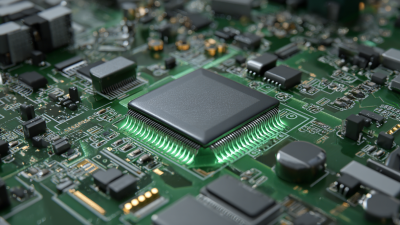
The importance of SMT assembly lies in its ability to facilitate rapid production cycles. Manufacturers can mount components directly onto the surface of PCBs, allowing for a higher density of connections. This method enhances performance and reduces the size of electronic products. However, the reliance on SMT assembly also poses challenges. Issues such as solder joint reliability and component misalignment can occur, impacting the overall quality of the final product.
As the industry progresses, a balance must be struck between innovation and quality control. Emerging technologies promise faster assembly methods but can sometimes compromise reliability. Addressing these concerns is crucial for maintaining the integrity of electronic devices. The ongoing evolution of SMT assembly will significantly shape the future of electronics manufacturing.
What is SMT Assembly?
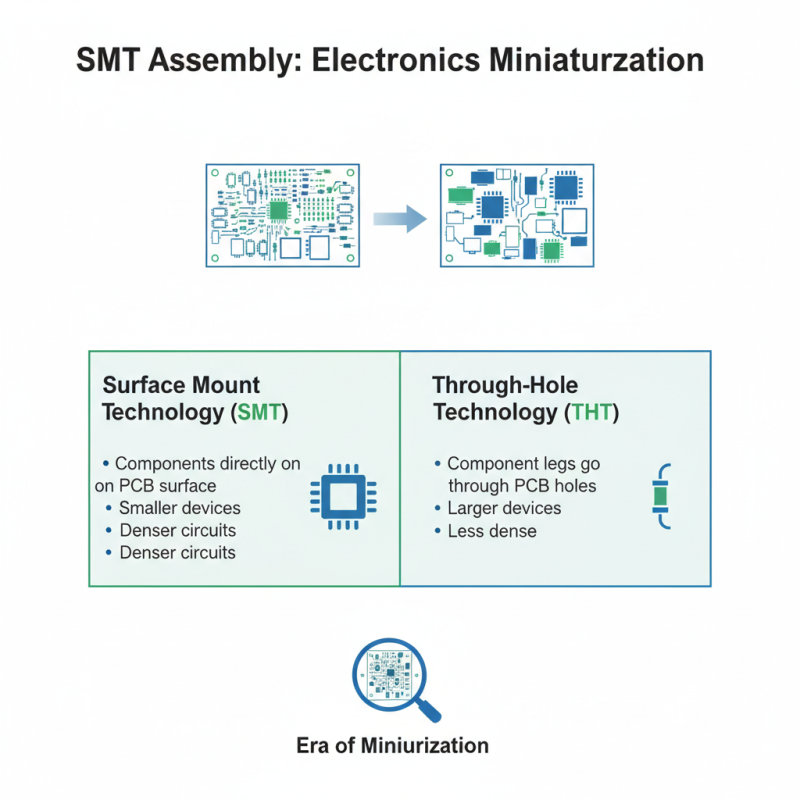
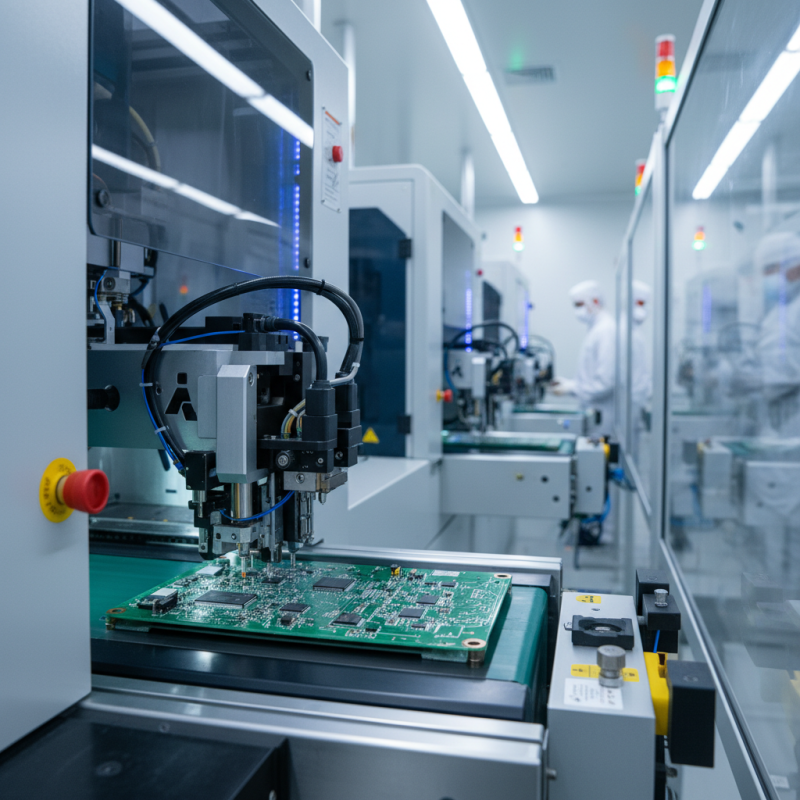
SMT assembly, or surface mount technology assembly, is a method used in electronics manufacturing. This technique allows components to be mounted directly onto the surface of printed circuit boards (PCBs). Compared to traditional through-hole technology, SMT leads to smaller devices and denser circuit layouts. This is crucial in an era of miniaturization.
The process begins with stencil printing solder paste onto the PCB. This paste is essential for holding the components in place and ensuring connections. After printing, components like resistors and capacitors are placed onto the paste. Then, the boards pass through a reflow oven that melts the paste, creating strong electrical connections. However, not every assembly goes smoothly. Misalignment or insufficient paste can lead to defects. These issues must be addressed quickly to avoid costly errors.
Many manufacturers find themselves constantly improving their SMT processes. While this technology has its advantages, it also comes with challenges. Training staff on intricate operations can be time-consuming. Ensuring every component is placed perfectly requires precision. Even with automation, human oversight is often needed. The balance between efficiency and quality remains a topic of discussion in many production lines.
The Process of SMT Assembly in Electronics Manufacturing
SMT assembly, or Surface Mount Technology assembly, is crucial in electronics manufacturing. This process allows components to be mounted directly onto the surface of printed circuit boards (PCBs). The method is highly efficient, often resulting in smaller, lighter electronics. However, there are challenges that manufacturers must navigate.
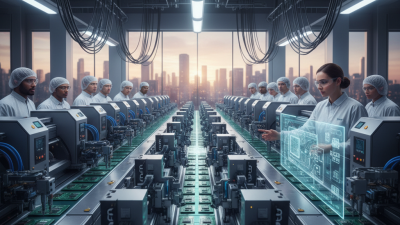
During SMT assembly, components are placed onto PCBs using automatic machines. This increases speed and precision. Yet, it requires careful calibration. If a component is misaligned, it can lead to significant issues. Rework is often necessary, which can be time-consuming and costly. Manufacturers must also consider quality control. A small defect can cause an entire batch to fail.
Moreover, environmental factors can impact SMT assembly. Dust and humidity may affect soldering quality. Regular maintenance of equipment is essential, but some companies overlook this. Training for staff is necessary as well; however, not all manufacturers prioritize it. These oversights can lead to reduced efficiency and increased waste, which reflects deeper issues in the manufacturing process.
Key Benefits of SMT Assembly for PCB Production
SMT (Surface Mount Technology) assembly is transforming the electronics manufacturing landscape. It offers significant advantages for PCB (Printed Circuit Board) production. One of the key benefits is the efficiency in component placement. SMT components are typically smaller than their through-hole counterparts. This allows for denser PCB layouts. In fact, reports show that SMT can increase component density by 50% to 70%. This is crucial for modern devices that require miniaturization.
Another notable benefit is improved reliability. SMT solder joints provide a stronger connection. Research suggests that SMT boards can withstand up to 30% more thermal cycling than traditional boards. However, there are challenges. The smaller components can be difficult to handle. Errors in placement can occur, leading to costly rework. Quality control measures must be stringent. Furthermore, the reflow soldering process must be carefully managed to avoid excessive thermal stress.
Cost savings are also noteworthy. SMT assembly reduces material costs due to fewer required components. However, the initial investment in SMT equipment can be high. This creates a hurdle for small manufacturers. Balancing these factors is essential. Ultimately, while SMT brings many benefits, careful planning and execution are necessary to realize its full potential in electronics manufacturing.
Common Applications of SMT in Electronics Industry
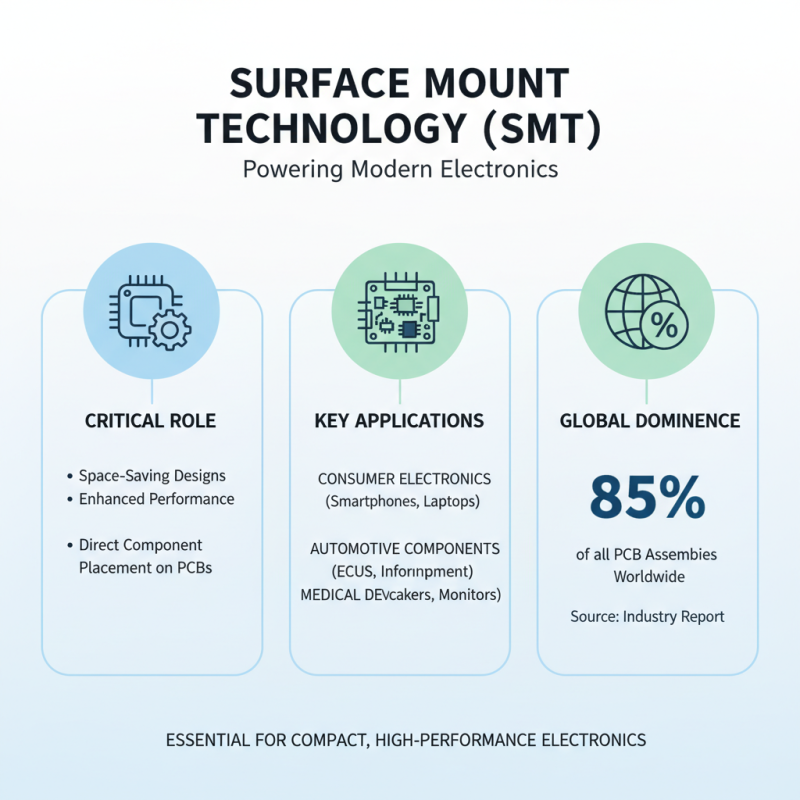
Surface Mount Technology (SMT) plays a critical role in modern electronics manufacturing. It is widely used in various applications, particularly in consumer electronics, automotive components, and medical devices. SMT allows for the placement of components directly onto circuit boards, which saves space and enhances performance. According to a recent industry report, SMT accounts for approximately 85% of all PCB assemblies worldwide.
In consumer electronics, SMT is prevalent in smartphones and tablets. These devices require compact designs and high-density connections. For instance, a typical smartphone may have up to 500 SMT components. The automotive industry also benefits from SMT. Modern vehicles employ advanced driver-assistance systems (ADAS) that rely on high-speed processing. SMT enables the miniaturization of these systems, making them more efficient and reliable.
Despite its advantages, SMT is not without challenges. The process can lead to solder joint issues, which may affect long-term reliability. A study revealed that nearly 10% of SMT assemblies experience failure during the initial production runs. It's crucial for manufacturers to ensure high-quality processes. Continuous improvement and regular audits are essential. The industry must address these challenges while maximizing the benefits of SMT in its ongoing evolution.
Future Trends and Innovations in SMT Assembly Techniques
Surface Mount Technology (SMT) assembly is revolutionizing electronics manufacturing. As the industry evolves, new techniques are emerging, shaping the future landscape. According to a recent IPC report, the global SMT equipment market is projected to reach $6 billion by 2025. This growth signals a robust demand for innovative solutions that improve assembly efficiency and product quality.
One emerging trend is automation. Automation in SMT assembly can reduce human error and enhance speed. Studies show that 70% of manufacturers have adopted some automation. However, challenges remain. Integrating robotic systems requires careful planning and investment. Many companies still grapple with the complexity of these technologies.
Tips: Focus on employee training during this transition. Skilled workers can help bridge the gap between tradition and innovation. Continuous learning programs can make a difference.
Another trend is miniaturization. As devices become smaller, SMT assembly techniques must adapt. Smaller components create challenges in placement accuracy. The complexity increases with higher pin counts. Companies must rethink their processes to maintain quality.
Tips: Invest in advanced inspection technologies. Smart cameras and AI can significantly enhance defect detection, saving costs in the long run. Emphasize the importance of regular equipment calibration to ensure optimal performance.
Impact of SMT Assembly Techniques on Electronics Manufacturing
This chart illustrates the adoption rates of different SMT assembly techniques over the years, showcasing the trends in electronics manufacturing.